
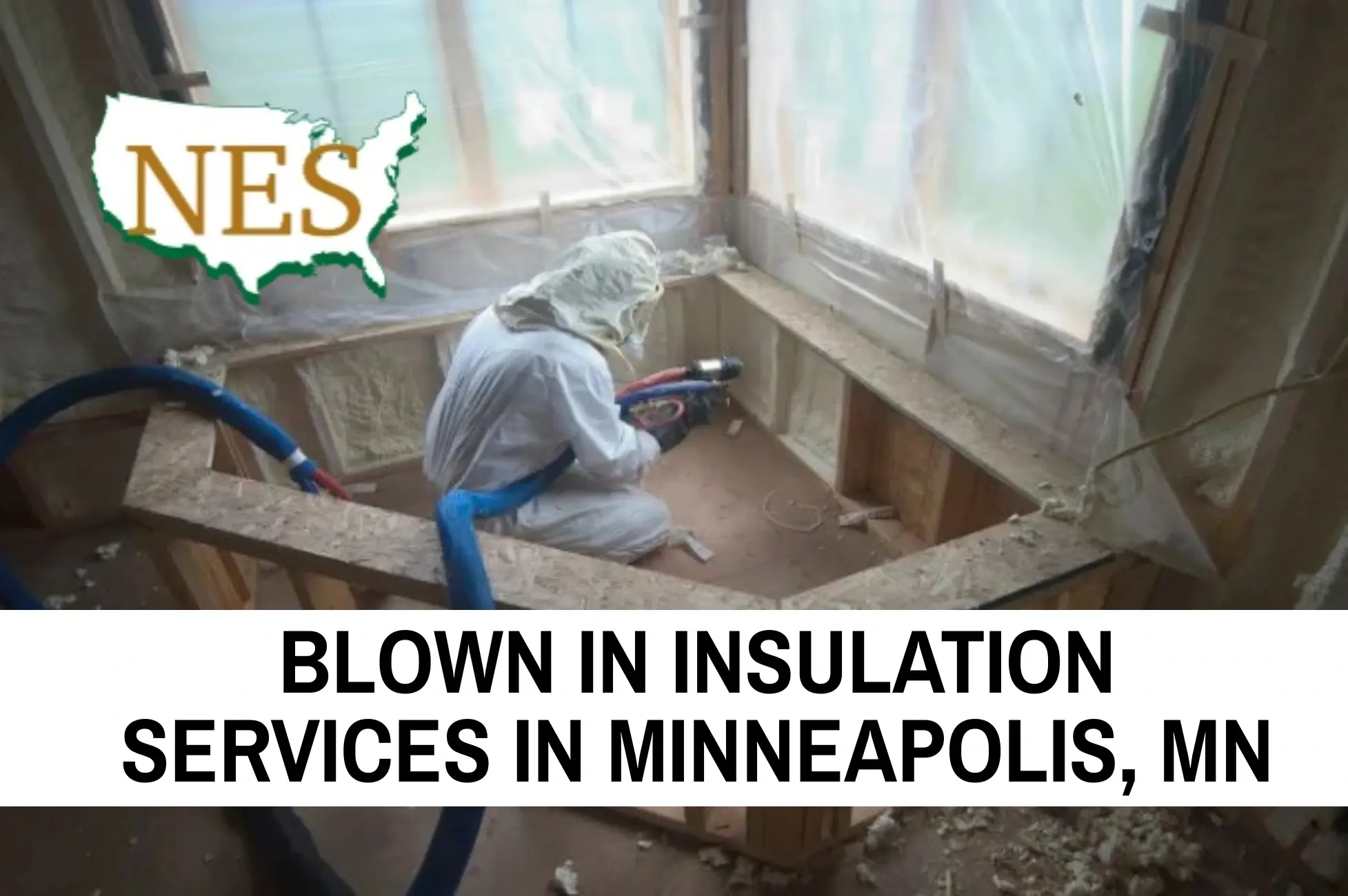
Looking for professional blown in insulation services in Minneapolis, MN? Discover how NES Building Solutions enhances home comfort, lowers energy bills, and prevents ice dams with expert attic and wall insulation.
A home that is situated in the Twin Cities requires a strategic method of weatherization. With temperatures dropping frequently below freezing and summers that bring high humidity as well, your cooling and heating systems are constantly under pressure. If your home is suffering from unbalanced temperatures, rising costs for utilities, or regular snowfalls on the roof, the thermal envelope of your home is most likely to fail. Ensuring your insulation is professionally installed can be the most direct and effective solution to protect your home from the elements.
Protect Your Twin Cities Property with High-Performance Thermal Barriers
Making your walls and attics more efficient by using loose-fill materials provides an unbreakable thermal barrier. This comprehensive guide explains all the information Twin Cities homeowners need to learn about modern insulation services, blown-in and local climate conditions, and the best way to protect the investment you have made in your home.
TLDR: Quick Project Summary
- High-ROI Solution for Extreme Weather: Upgrading your insulation delivers an exceptional return on investment for Twin Cities homeowners, offering year-round protection against freezing Minnesota winters and humid summer heatwaves.
- Seamless Coverage in Hard-to-Reach Spaces: The pneumatic application process allows dense fiberglass or cellulose material to flow into tight attic corners, awkward joists, and deep wall cavities that traditional insulation blankets completely miss.
- Significant Utility Bill Savings: By creating a tight, uniform thermal barrier, this service stops expensive heated or cooled air from escaping your living spaces, drastically lowering your monthly energy bills.
- Defeats Destructive Ice Dams: Maintaining a consistent, cold roof deck temperature prevents snow from melting and refreezing at your eaves, eliminating the primary cause of roof leaks and water damage.
- Stabilizes Indoor Comfort: Eliminates annoying drafts and uneven room temperatures, keeping your entire living space comfortable and quiet regardless of outdoor conditions.
- Premium, Code-Compliant Craftsmanship: NES Building Solutions delivers expert installations tailored precisely to local Climate Zone 6 requirements, ensuring your property meets the strict Minnesota building codes.
Understanding Blown in Insulation Services in Minneapolis
Blown-in insulation, often known as loose-fill insulation, requires a specially designed pneumatic blowing device to spread insulation material over open spaces or into closed cavities. In contrast to traditional fiberglass batts, which require hand-cutting and positioning around joists, pipes, and wires, the materials that are blown in will fit perfectly with the specific design of your house.
This method fills small spaces, tight corners and structural voids that conventional insulation blankets do not cover. For those living in the Twin Cities, this flexibility makes it the perfect alternative for retrofitting houses, sealing uninsulated attics and strengthening walls with dense cavities.
The Mechanism of Loose-Fill Application
The process of installation relies on mechanical agitation and pressure. The insulation is then fed into a huge hopper located outside the home, where pneumatic teeth break down the insulation into pieces that are compressed.
Air pressure is used to push the material that has been loosened through a flexible, long pipe that is directly inserted into your attic or through tiny access holes that are drilled into the walls. It is the result of a large unidirectional blanket of thermal insulation that covers your living space.
Why Minneapolis Homes Require High-Performance Thermal Barriers
The climate in Hennepin County presents extreme thermal difficulties. Minnesota is a part of US Climate Zone 6, which requires strong structural insulation in order to avoid massive loss of heat during the winter months.
If your attic isn’t equipped with the proper thermal resistance, the heated air from your furnace is released rapidly throughout the ceiling. The heating system is forced to operate continuously, increasing energy bills as well as accelerating wear and tear.
The Threat of Ice Dams on Twin Cities Roofs
A good insulation system does more than take a toll on your pocket; it can also result in severe damage to the structural integrity of your roof. If heat escapes from your living space to the attic, it warms the bottom of the roof deck. This causes the snow on your roof’s surface to melt.
When the snow melts through the eaves and gutters that are colder and gutters, it refreezes, creating an ice-like ridge called the ice dam. Ice dams hold back water beneath your roofing shingles, which can cause ceiling staining as well as rotted roofing decking and the growth of mold within your attic. Professionally installed insulation services in Minneapolis help keep your roof deck cool, stopping this destructive cycle.
Comparing Insulation Materials: Cellulose vs. Fiberglass
If you are considering an upgrade to your insulation using NES Building Solutions, homeowners typically choose between two main loose-filling materials: cellulose and fiberglass. Both provide excellent thermal performance. However, they each have their own distinct characteristics of the materials.
Loose-Fill Cellulose Insulation
Cellulose can contain up to 85% recycled newspaper as well as post-consumer recycled paper products. Cellulose is treated using borate minerals from nature, which makes it extremely resistant to insects, fire and the growth of mold.
- Thermal Efficiency: Cellulose has a very high thermal conductivity, with the R-value range of 3.2 or 3.8 per inch.
- Environmental Impact: It is generally regarded as the greenest insulation choice because of its recycled content as well as its low energy use.
- Air Flow Resistance: Because of its dense nature and brittle, it can block convective air flow better than loose fiberglass that is standard, so it is extremely efficient in cold wall cavities.
Blown-In Fiberglass Insulation
Blown-in fiberglass consists primarily of melting glass, that is which is spun into fine, light fibers. Modern fiberglass formulas do not make usage of chemical binders that have harsh chemicals, which makes them more suitable to ensure indoor air quality.
- Thermal Efficiency: Fiberglass generally has an R-value that ranges from 2.5 to 3.2 for each inch of thickness.
- Moisture Resistance: The fiberglass doesn’t naturally absorb water. This makes it abrasive under humid conditions and less likely to settle in time when exposed to moisture in the air.
- Weight Considerations: Due to its lighter weight than cellulose and therefore more compact, fiberglass can be used to retrofit ceilings in which weight limitations for drywalls are an issue.
The Core Benefits of Upgrading Your Attic and Wall Insulation
The upgrade of your home’s thermal envelope by utilizing professional blow-in insulation will yield immediate and tangible returns for your investment.
Drastic Reductions in Monthly Energy Bills
The primary benefit you can reap from the installation of loose-fill insulation is a decrease in monthly energy costs. Properly sealing and insulating your home could save about 15% off costs for cooling and heating, according to the Environmental Protection Agency’s Energy Star programme. For a city such as Minneapolis, which is where winter temperatures can cause a spike in heating costs, the savings per month will add up fast, which allows the building to be paid for in the long run.
Enhanced Year-Round Indoor Comfort
If homes aren’t properly insulated, they suffer from significant temperature variations. It is possible the second floor can be uncomfortably hot in July, while your principal floor is chilly and cold during January. The insulation you blow in helps stabilize the temperature of your home by reducing the transfer of heat. This ensures that every area in your home is maintained at the same temperature.
Superior Sound Dampening Properties
The thick network of fibers formed by the loose fill cellulose or fiberglass is a natural sound barrier. When it’s blown onto the exterior wall or attic floor, the material significantly reduces outdoor sounds like traffic sirens, lawnmowers and dogs barking. Additionally, it is able to be used as a barrier between indoor floors for an energizing, quieter interior space.
Meeting Minnesota Building Codes and R-Value Targets
If you are considering upgrading your insulation, you must follow the stringent specifications set out in the Minnesota State Building Code. Resistance to heat is measured as R-values. The greater the R-value, the greater the resistance the material has to heat loss.
The Target for Minneapolis Attics: R-60
Although older building codes demanded attic insulation ratings between R-38 and R-49. Modern standards for construction, as well as the best energy efficiency in Zone 6, suggest achieving an R-60 total within your attic.
- For achieving R-60 with loose-fill cellulose, you require an insulation thickness between 16 and 18 inches.
- For achieving R-60 by blowing-in fiberglass, it is necessary to have a thickness that is between 20 and 22 inches.
In an on-site inspection, on-site A professional technician with NES Building Solutions will measure the thickness of your insulation, determine its R-value, and calculate precisely the amount of material needed in order to meet the requirements of the code.
The Step-by-Step Professional Installation Process
A flawless upgrade to insulation involves specialized equipment, precise planning, and adhering to security protocols. NES Building Solutions follows a thorough, systematic procedure for ensuring optimal effectiveness and coverage.
Detailed Site Inspection and Assessment
The technicians start by looking at the current insulation levels of your house, as well as determining structural bypasses and examining for evidence of roof leaks and insect activity. Additionally, we check your attic’s ventilation, making sure that it is able to flow easily through the soffit vents and the vents on the ridge.
Comprehensive Air Sealing
Blowing insulation across the gaps is not enough to stop conditioning air from getting out. Before we introduce any materials to the air, we conduct a thorough sealing. It involves the use of expanding polyurethane foam as well as the fire-rated caulk for sealing air leaks that surround the chimney, pipes, stacks, lighting recessed fixtures and an attic access hatch.
Installing Attic Baffles and Vent Guards
In order to maintain a sound roofing system, your soffit vents should remain unobstructed. Install in a rigid, foam-like or cardboard attic baffles (also called vents for rafter) in the area between your exterior and roofline. The baffles provide a space for air from outside to circulate over the insulation blanket. This prevents condensation and water build-up.
Pneumatic Insulation Blowing
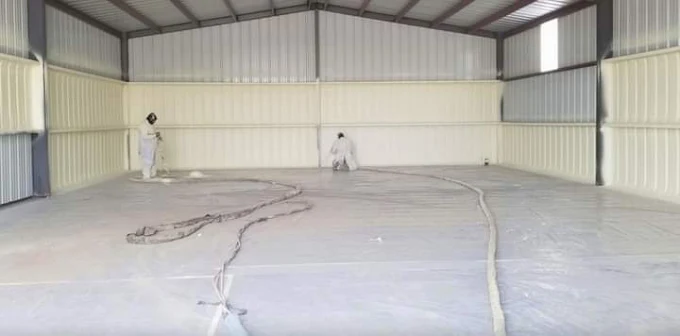
When all preparation is completed, including air sealing, masking have been completed After that, the crew will deploy the blowing device pneumatically. A single technician is in charge of the machines and equipment using the truck for delivery, and a third technician directs the application hose into the attic. The materials are applied uniformly by starting at the most distant edges of the attic, and returning to the hatch for access, making sure to maintain the same depth and without creating any small spots.
Common Signs Your Minneapolis Home Needs New Insulation
Most homeowners aren’t thinking about insulation until their house becomes difficult to keep or costly to repair. Check for these typical indicators that suggest your home is an ideal candidate to receive blow-in insulation:
- Skyrocketing Energy Costs: If your cooling or heating costs are rising year after year with no change in use, the insulation could be deteriorating or shifting.
- Drafty Interior Rooms: The feeling of cold breezes that suddenly appear as you walk through hallways or in close proximity to exterior walls points towards empty spaces or changing insulation blankets.
- Rapid Snow Melt and Ice Formations: If the snow melts off your roof more quickly than the neighbor’s, or if you observe huge icicles sticking out of the gutters, then heat may be being absorbed by your attic deck.
- The Touch Test: Check your walls and ceilings on a cold winter’s day. If they are cold, then your walls have been letting cold air inside your living spaces because of inadequate resistance to heat.
- Fluctuating Indoor Temperatures: A house that can’t keep its temperature stable after the air conditioner or furnace shuts off is not equipped with the thermal mass that is required to sustain efficiency in energy use.
Partner with NES Building Solutions for Your Home Weatherization
Don’t let an uninsulated attic cause your home to be uncomfortable and drain your bank account. The upgrade of your house using high-density blown-in insulation is among the most efficient, affordable investments you can make to safeguard your house from Minnesota’s extreme changes in the seasons.
With NES Building Solutions, our team is a local expert with high-tech equipment and a passion for quality workmanship on each project. We manage the whole project from energy audits to initial inspections and air sealing, to exact blowing out of loose fill, to ensure that your building is code-compliant in its thermal efficiency. Call NES Building Solutions today to arrange an insulation assessment on-site and get control over your comfort indoors.
Conclusion: Secure Your Home’s Thermal Comfort
Investing in professional blown in insulation services in Minneapolis, MN, is one of the most impactful upgrades you can make to protect your home from Minnesota’s brutal winter freezes and humid summer spikes. By partnering with NES Building Solutions, you ensure a flawless, code-compliant installation that seals critical thermal bypasses, slashes monthly energy costs, and eliminates the threat of destructive ice dams. Our dedicated team handles the entire process with precision, from deep air sealing to even loose-fill distribution, delivering a structural envelope that keeps your household safe, quiet, and comfortable. Contact NES Building Solutions today to schedule your comprehensive onsite insulation assessment and secure a more energy-efficient tomorrow.