Foam insulation has quickly become the go-to solution for improving energy efficiency and comfort in homes or buildings, drawing homeowners as well as contractors to this innovative insulation solution that not only boosts thermal performance but also lowers energy costs. Given its increasing popularity both residentially and commercially, it is important that everyone understands exactly what Spray Foam Insulation is, how it works, and the reasons it has become such a favorite choice among many people.
What Is Spray Foam Insulation?
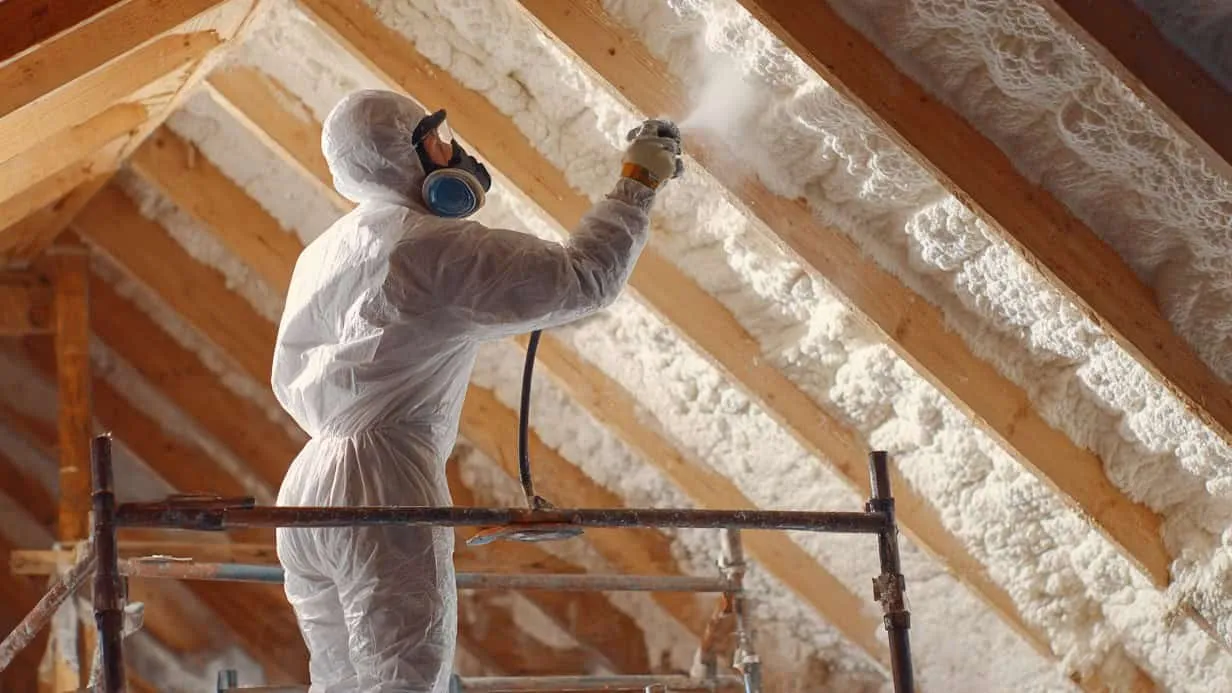
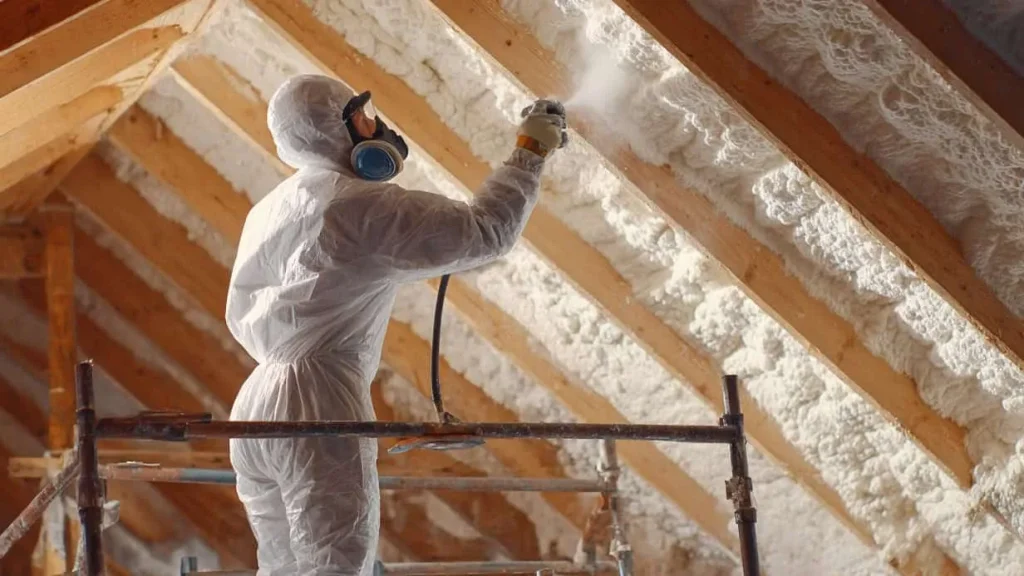
Spray foam insulation can be described as an insulation product that is made by mixing two different chemicals, such as polyol resin and isocyanate. After mixing, the two are then sprayed onto the surfaces that react, expanding to form a dense, solid foam that rapidly hardens to close cracks, gaps, crevasses, crevices, and crevices, forming an airtight seal. Open cell foam is less heavy as well as more flexible, whereas closed cell foam provides a higher R-value per square inch and better resistance to moisture. The two most sought-after types are closed-cell and open-cell insulation materials – both open cells offer greater flexibleness, while closed-cell provides more R-value per inch and offers more R-value per square inch of insulation. It also has a higher R-value per inch and a higher capability to resist moisture.
Spray foam insulation’s versatile application enables it to be utilized in multiple areas such as walls, attics, roofs and crawl spaces. It’s particularly useful in places where batt insulation and cellulose could be more difficult or ineffective, for example, spaces that are irregularly shaped and have high levels of humidity.
How Does Spray Foam Insulation Work?
Foam insulation functions by expanding after application, filling in all gaps that traditional insulation could leave. This helps to close air leaks – the main cause of loss of heat in houses – and creates an airtight seal that prevents the conditioned air from venting and blocks air from outside and thereby dramatically increasing energy efficiency in a structure.
The effectiveness of spray foam insulation is based on two fundamental elements: air-sealing properties, as well as an R-value that is high R-value. R-value is a measure of resistance to heat flow. Higher values suggest better insulation properties from materials such as the foam insulation. Spray foam generally has the highest R-value per square inch of traditional insulation materials, which makes this one of the best economical ways to maintain constant indoor temperatures.
Foam Insulation has Many Advantages that Could Benefit a Business
Foam insulation stands out among its peers by its ability to increase energy efficiency. As an airtight seal, it helps regulate indoor temperatures without the need for heating and cooling systems, leading to significant savings on energy bills in hot climates – over time, these savings may more than offset initial installation costs, making spray foam an intelligent investment for homeowners and business owners alike.
Spray foam insulation also contributes to improved indoor air quality, particularly for individuals living with allergies or respiratory conditions. Traditional insulation materials may trap moisture, leading to mold growth or dust and allergen accumulation, but foam insulation – specifically the closed-cell variety – helps prevent moisture buildup by blocking moisture wicks that trap water, thus decreasing mold and mildew formation, leading to healthier living environments and environments for individuals who are vulnerable.
Spray foam increases building structural strength. Due to its density and closed-cell foam properties, closed-cell foam adds rigidity for roofs and walls exposed to severe weather, such as strong winds or massive snowfall, providing extra strength that’s crucial in dealing with extreme climate conditions like strong winds or massive snowfall. Foam is especially helpful when dealing with extreme conditions such as extreme winds or massive snowfall, providing additional resilience against extreme conditions. It makes foam an effective tool in managing extreme situations such as extreme winds or massive snowfall.
Spray foam insulation offers long-term value. Unlike traditional insulation materials like fiberglass batts that lose shape over time and become less effective over time, it never loses form or durability over time – making it highly useful. With minimal or no maintenance, it’s an ideal choice for new constructions, as well as retrofitting old structures.
Application Spaces Spray foam insulation can be extensively used throughout a structure to improve the efficiency of energy and comfort in attics, where substantial temperature loss may occur, to the crawl space where humidity issues are present; even walls where the highest comfort and energy efficiency are sought-after are typical areas of application where foam is used.
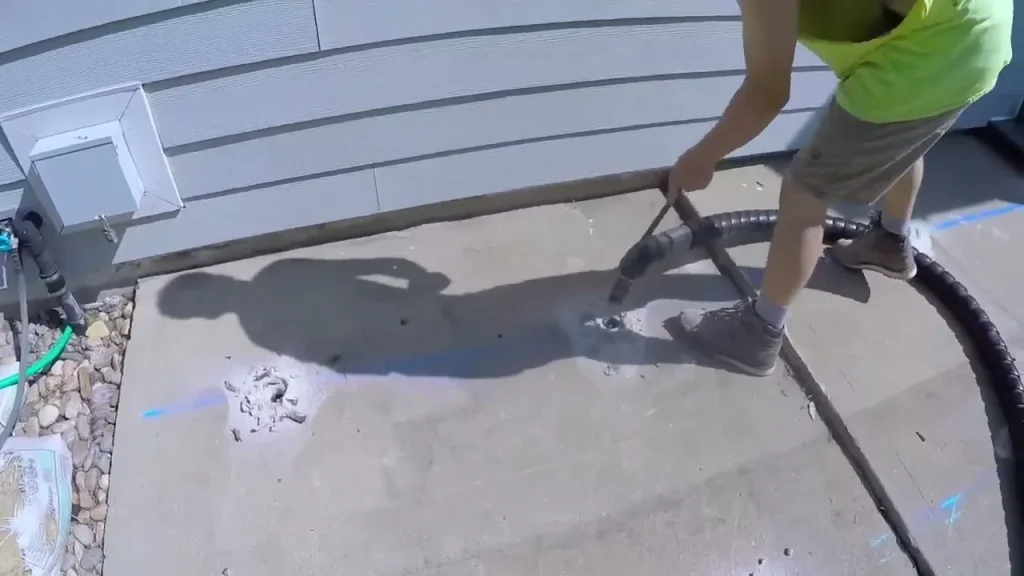
Superior Polyjacking Services: the Solution to Foundation Issues
Maintaining the structural integrity of your home or business relies heavily on having a secure foundation. Unfortunately, however, erosion, water damage, poor construction practices or soil erosion can all compromise this foundation and lead to settlement or shifting issues, which compromise both its safety and stability, leading to costly repairs if left unaddressed. NES Building Solutions offers a more cost-effective and time-saving means of foundation repair while at the same time protecting them from further deterioration. In this blog, we’ll discuss its advantages as a type of foundation repair service, and explore the reasons why it’s been a hugely popular option in the last times.
What Is Polyjacking (Polyurethane Foam Injection)
Superior Polyjacking Services (or polyurethane foam injection) is an innovative foundation repair approach. This technique involves injecting specially formulated polyurethane foam into soil underneath foundations that have settled unevenly or have settled completely, filling any voids or gaps that exist and rising back up again to form a lasting support structure for that foundation.
Polyjacking can provide an efficient solution for many foundation issues, including sinking or settling concrete slabs and cracked walls and floors. We provides minimally invasive repair without incurring heavy costs associated with traditional repair methods like piering or excavation, making it the ideal option for both residential and commercial properties alike. Furthermore, its incorporation into foundation repair strategies such as piering or excavation adds another level of repair effectiveness.
Why Polyjacking as a Foundation Repair Solution?
Polyjacking has rapidly become the go-to foundation repair option among home and property owners due to its fast and cost-efficient process. While traditional methods require large excavations, demolition, and long periods of time for repairs, polyjacking can typically be completed in several hours, bringing immediate relief without any interruption or mess that is caused by other destructive methods. The cost-effectiveness of Polyjacking is yet another advantage of using Polyjacking. Conventional foundation repair methods, like installing steel piers or replacing sections of foundation, can be both costly and time consuming; we provides a more economical option since less labor and equipment is needed, plus as it’s less disruptive, property owners can save on additional restoration expenses for landscaping, driveways or other structures that may have been affected by more invasive repair techniques.
NES provides superior durability and long-term benefits. The polyurethane used in Polyjacking’s process is extremely resistant to moisture, one of the major reasons for foundation problems, making it a solid choice in areas subject to frequent rainfall or changing soil conditions. As time passes, the foam of Polyjacking is stable and does not shift or settle and provides the level of the ground.
The Polyjacking Process
The first step of Polyjacking begins with a careful assessment of your property to assess the extent of foundation issues. A certified technician will inspect it for cracks or gaps, as well as signs of settlement in its foundation. Once this inspection is completed, the plan will be defined by them, which outlines the best way to address any flaws discovered during repairs.
Step 2 of the foundation restoration process is to drill small holes in the affected areas. These holes are used as entrances for the polyurethane foam injections under pressure to the foundation’s soil and filling in any gaps in the process of expanding and lifting the foundation up. After being leveled, it hardens to create solid support.
The sealing of injection holes and any cosmetic repairs needed to improve the appearance of the property are the final step in polyjacking. It usually takes only an hour with no disruption to the everyday tasks of homeowners.
Why You Require Professional Polyjacking Services
Polyjacking might appear to be something that is simple, but to get the best outcomes, it’s best to engage an expert with years of experience in foundation repairs. Successful foundation repairs depend on both an accurate application of foam as well as a thorough analysis of any underlying issues. A professional technician can evaluate these causes and restore your foundation to its ideal level for future stability and peace of mind.
Superior Polyjacking Services also offers warranties on their work, which gives homeowners more assurance of the quality of repair. With the assistance of professional services, foundation issues can be addressed quickly and efficiently, and will save time and money as well as any future problems.
NES provides an effective, economical, and minimally disruptive means of quickly, cost-effectively addressing foundation problems quickly, cost-effectively, and with minimum disruption. From sinking foundations to uneven floors or cracks within walls, Polyjacking can provide a long-lasting repair solution that will restore stability and security for both businesses and homes alike. If you choose to use the best services, you’ll be able to safeguard yourself against future foundation problems while gaining peace of mind with an incredibly solid and safe foundation!
———————-
Faq’s:
How does spray foam insulation work?
Spray foam insulation works by expanding after it is applied, filling gaps, cracks, and cavities. This creates a barrier that helps keep the interior temperature regulated by preventing heat transfer.
Is spray foam insulation safe?
Yes, when installed correctly by professionals, spray foam insulation is safe. However, the chemicals involved during installation require proper handling, and a well-ventilated space is needed during application.
Is Polyjacking safe for my home?
Yes, Polyjacking is a safe and non-invasive method for concrete lifting. The materials used are non-toxic and environmentally friendly.
Is Polyjacking environmentally friendly?
Yes, the materials used in Polyjacking are environmentally safe. The polyurethane foam is water-resistant, prevents further erosion, and does not contain harmful chemicals.